
Ruins of Great Western Iron Smelting Furnace, Tennessee, 1855-1856. The furnace burned charcoal, and temperatures in the furnace reached 3,000 degrees F. Photo used by permission of the photographer.
Let There Be Light
Where there is sunshine,
let there be solar farms…
Let there be light!

Solar farm in Germany. Photo by Marcus Spiske from Unsplash
Where there is wind,
let there be turbines…
Let there be energy!

Wind Turbines. Photo by Jason Blackeye from Unsplash
Where there is flowing water,
let there be hydroelectric plants…
Let there be power!
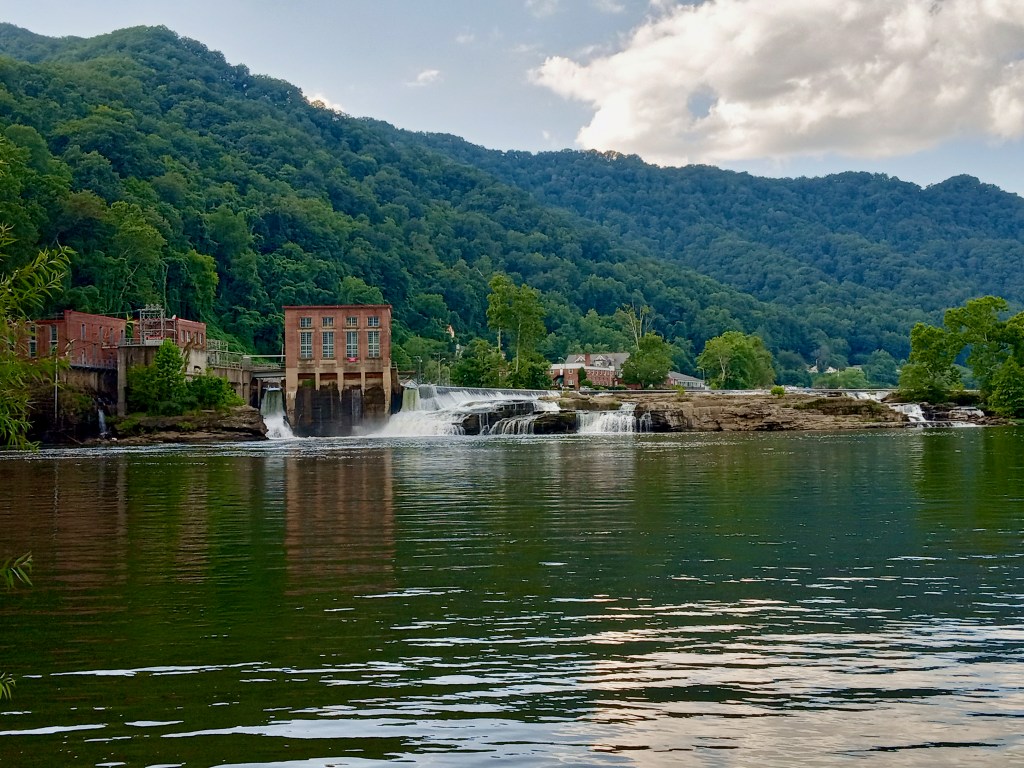
Vintage Hydroelectric Plant, West Virginia. Photo courtesy of the photographer.
Where there are ocean waves,
let there be wave-power generation…
Let there be electricity!

Gulf of Mexico, Florida Beach. Photo by Eve Ellen Maher
When people travel,
let them drive electric cars…
Let there be zero emissions!

Charging station in the Netherlands. Photo by Fer Troulik from Unsplash
Where there is imagination,
let there be innovation…
Let there be clean energy!

Photo by Alessandro Bianchi from Unsplash
Wherever children have dreams,
let their dreams be fulfilled…
Let there be clean energy for all!

Photo by Nathan Dumlao from Unsplash
A Clean-Energy Future
Although we might like an instant, one-size-fits-all source of clean energy, it may not exist. It seems that we need to work with mother nature to develop solutions using local resources. It also seems that reducing the use of fossil fuels will be a gradual process. We will continue using some fossil fuels for quite some time.
Mine cave-ins, black lung, oils slicks, acid rain, micro-plastic waste in our food supply and our bodies, toxic petrochemicals in insecticides and household cleaning products, landfills filled with non-biodegradable plastics, water pollution, smog, and climate change are a few of the problems associated with fossil fuels. Fossil fuels threaten our environment and pose risks to our health.
Clean-energy solutions have problems too. Dams can disrupt ecosystems and cause extinction of species; solar panels require rare minerals to manufacture them and have a limited lifespan; some wind turbine designs are hazardous to birds.
Heat pumps, geothermal heating systems, and river turbines are examples of clean- energy systems that may be useful in certain locations. Older river turbines were hazardous to fish, but newer designs don’t harm them.
Electric cars, one important clean energy measure, currently have a top range of 300-500 miles. There are insufficient numbers of charging stations at the present time. Batteries have been manufactured with toxic ingredients that present disposal problems. Scientists are currently developing batteries with cheaper, non-toxic chemicals and greater range between charges. A too-rapid increase in the number of electric vehicles would overburden energy grids.
Atomic power plants, which use nuclear fission, are subject to melt-downs and radiation leaks. Fission has great destructive potential. Nuclear fusion holds promise for the future as a safer alternative, if it can ever be made practical.
There are no simple fixes. Solving our problems requires dedication and commitment. It requires cooperation among many professions and among all nations.
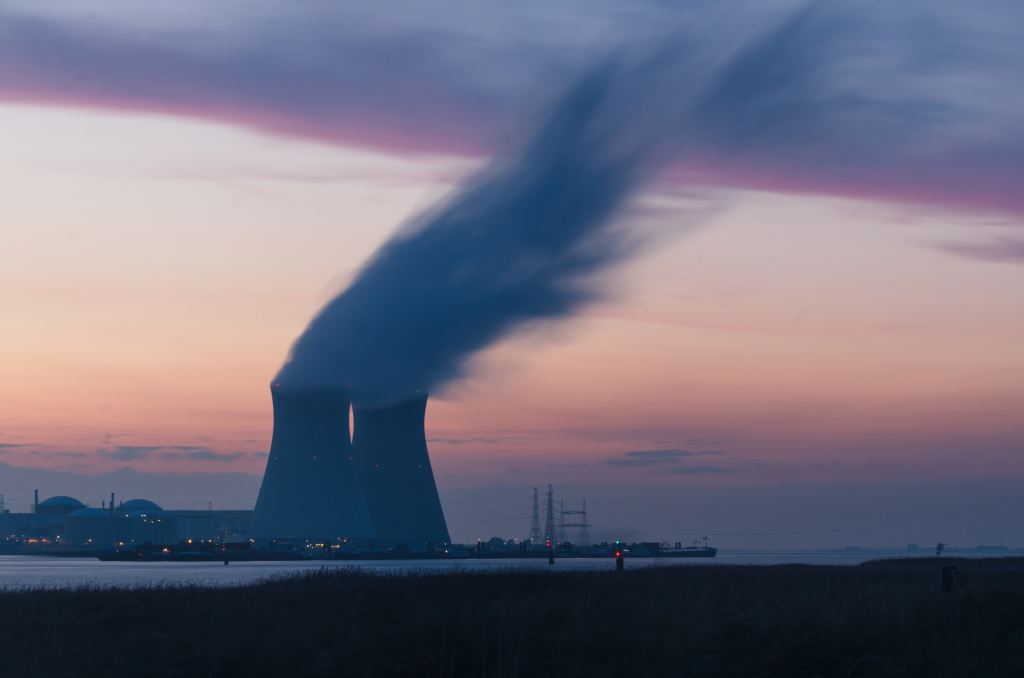
Atomic Power Plant, Belgium. Photo by Frederic Paulussen from Unsplash
*My thanks to Robert Snyder for consulting on this article. There are many YouTube videos about developments in clean-energy technologies.
Copyright © 2023 by Cheryl Batavia
 Gulf Coast Poet