Here, on the SW Florida Gulf Coast, the temperatures are rising, and grass is parched and brown. Yesterday, we got several brief thunder showers, our first hints of welcome summer rains. Today, the sky is overcast, promising more rain. We need it!
Happy summer! A little early for our friends in other locales, but heartfelt!
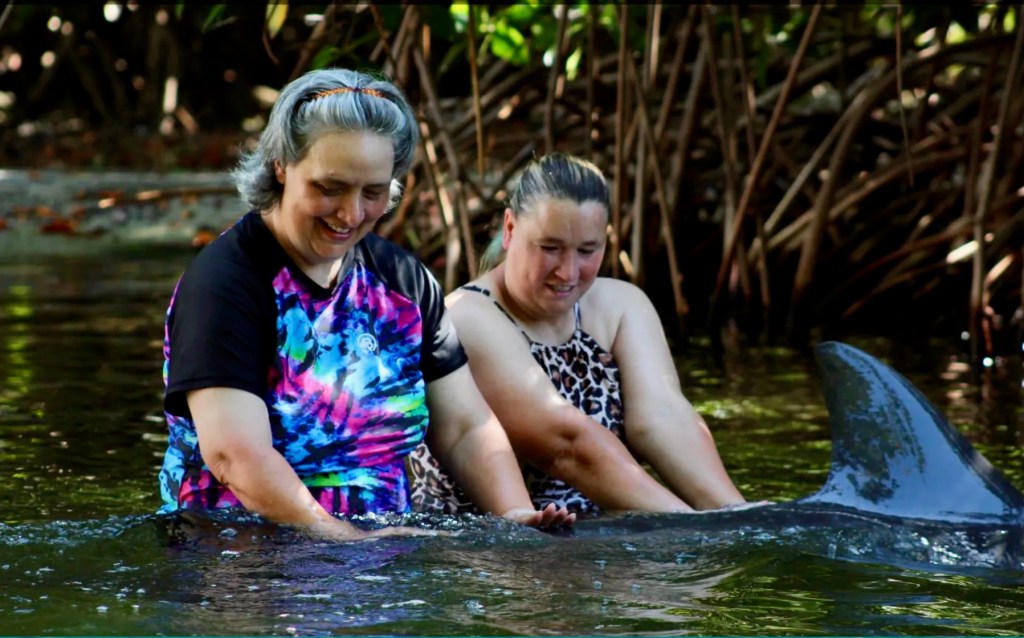
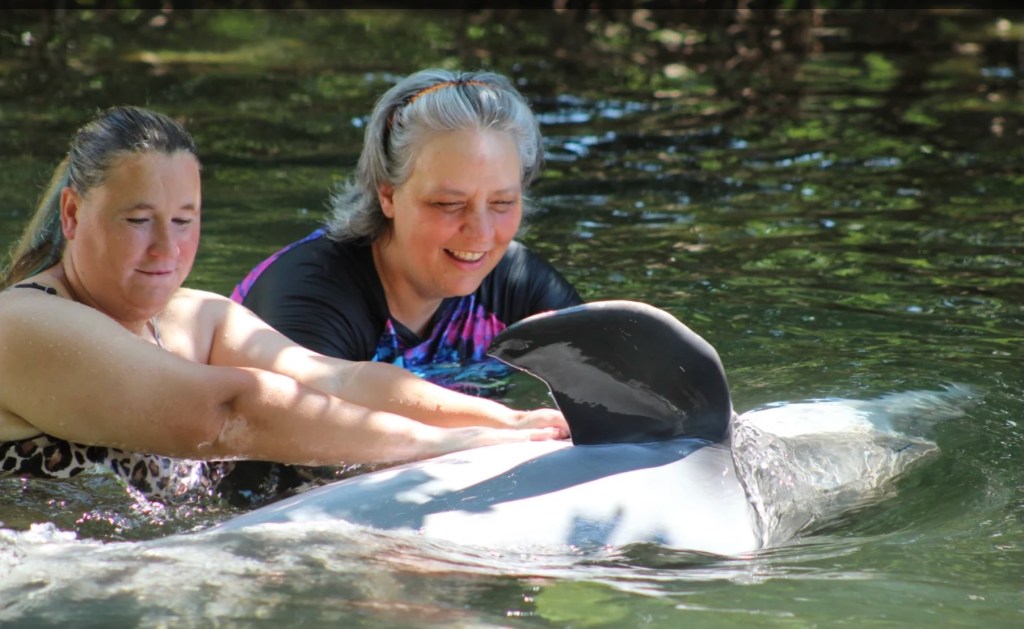
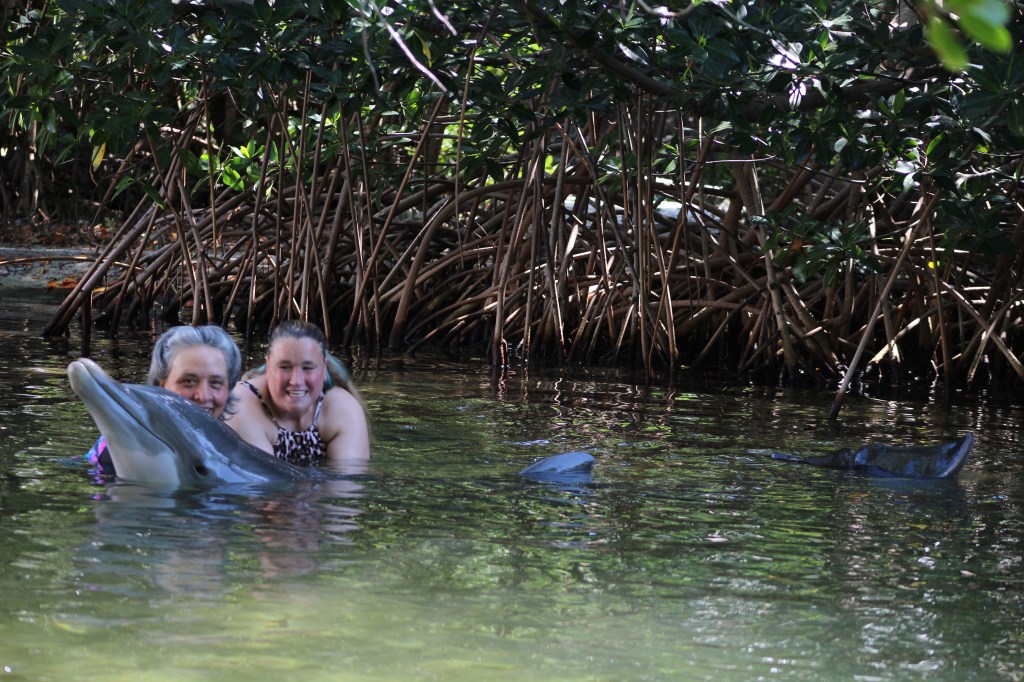
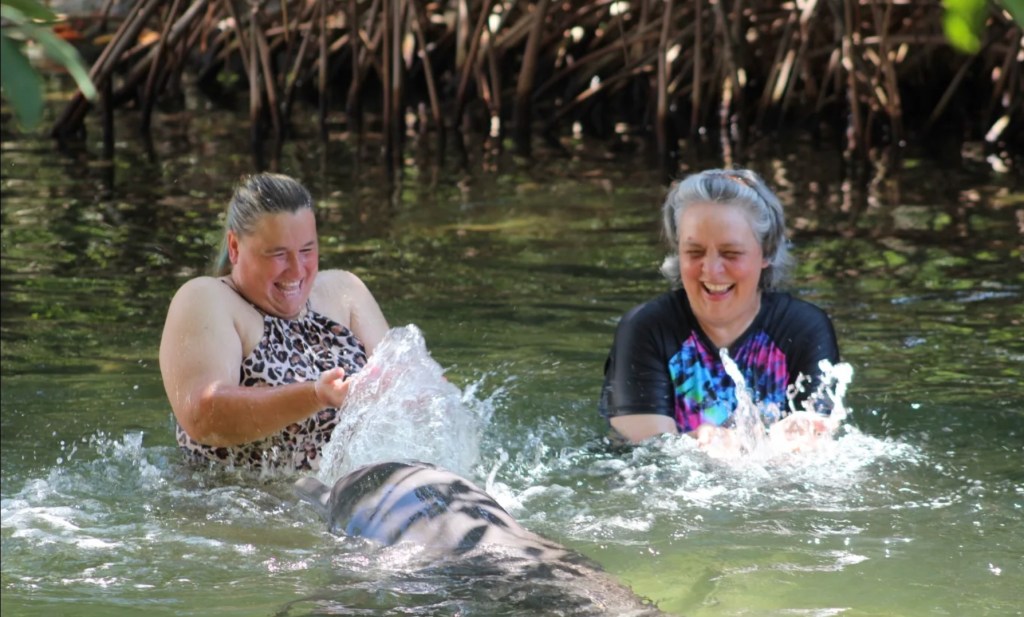
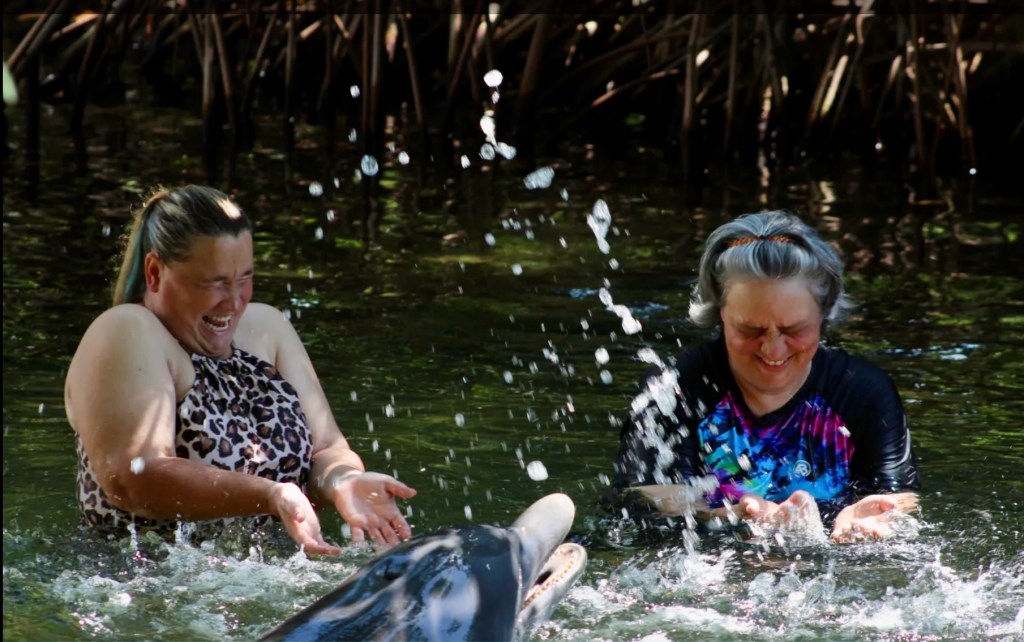
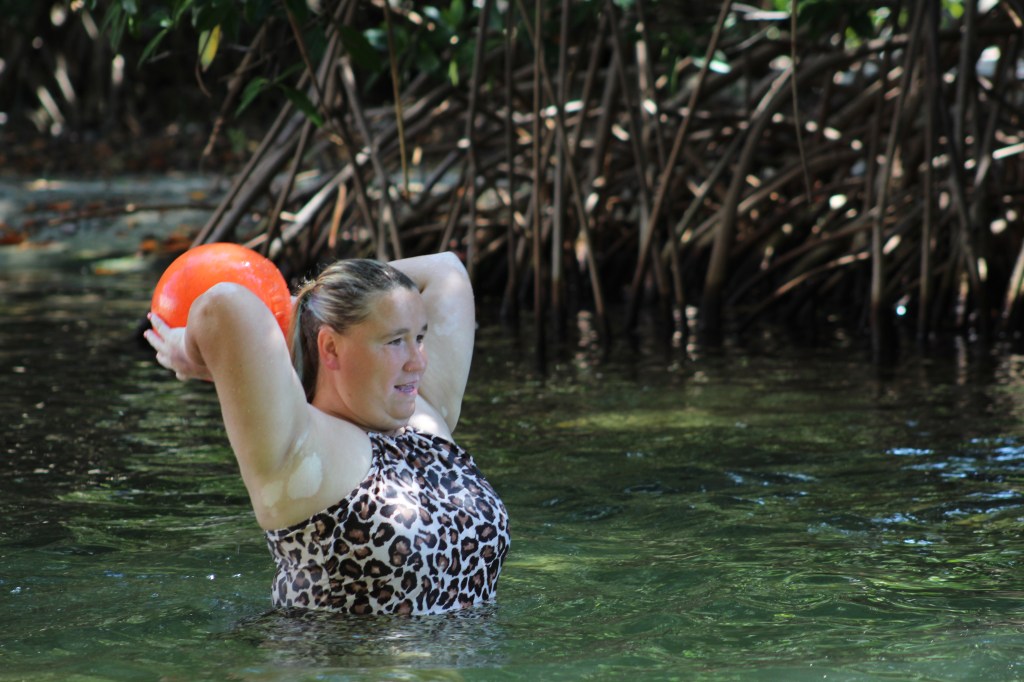
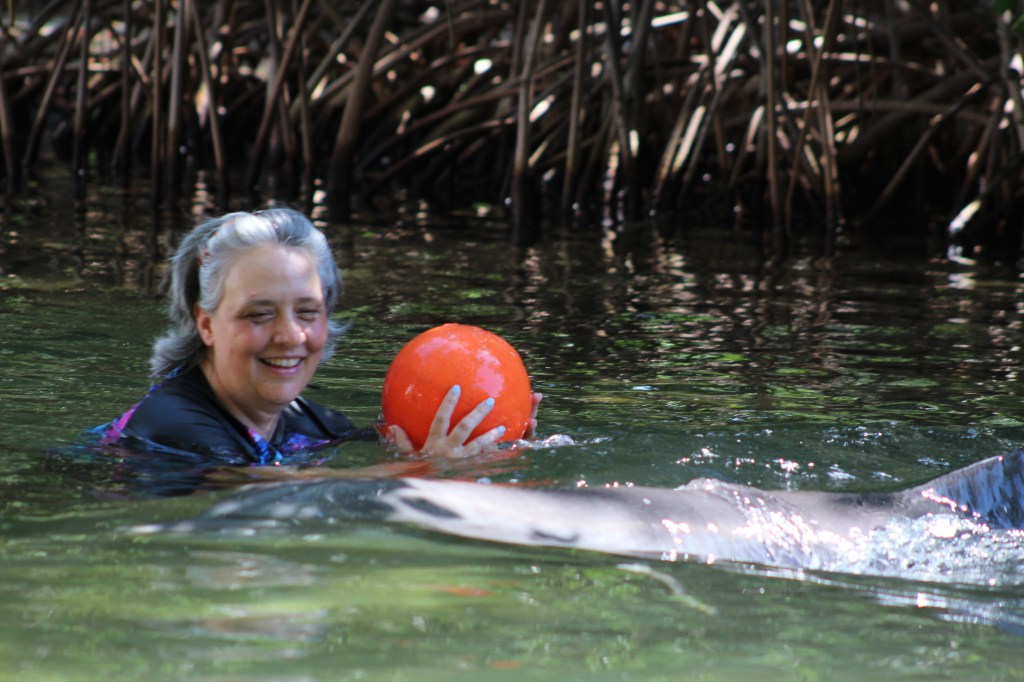
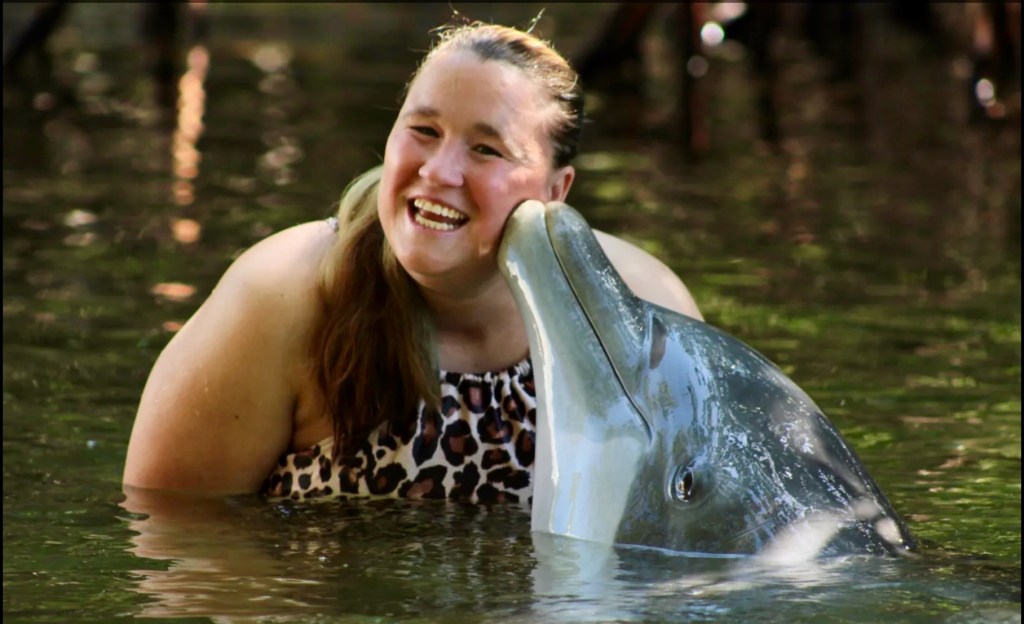
(Cheryl Batavia’s daughters, Ellen and Katey, meet Skipper, the bottle-nosed dolphin, and his trainer.)
getting to know all about you.Getting to like you,
(belly rub)
getting to hope you like me!You are precisely my cup of tea!
(It’s not polite to stick out your tongue.)
Getting to know you. Suddenly, I’m bright and breezybecause of all the beautiful new thingsI’m learning about you!Getting to know you,knowing we know how to play!Getting to know you.
(Ellen playing the piano, Skipper singing!)
Things I’m learning about you, Day by Day!
(Katey playing the piano, Skipper singing!)
Cuddle Up a Little Closer
Cuddle up a little closer, Lovey mine!Cuddle up and be my little clinging vine!I like to feel your cheeks so rosy.I like to make you comfy, cozy,I love you, I love you so muchfrom your head down to your toesies, Lovey mine!
Photos taken by a Theater of the Sea photographer. Please give credit if you use them.
This is a highlight of the vacation my daughters and I planned together. Due to a last minute emergency, I was unable to go on the trip. These photos make me feel like I was there.
Theater of the Sea in Islamorada, FL has various animals, many of them rescue animals, on display. There are sea turtles, rays, seals, and other animals to observe or encounter.
I hope you enjoy the vintage music. I also considered “Splish Splash!” by Bobby Darren. It didn’t quite fit, but it was fun!
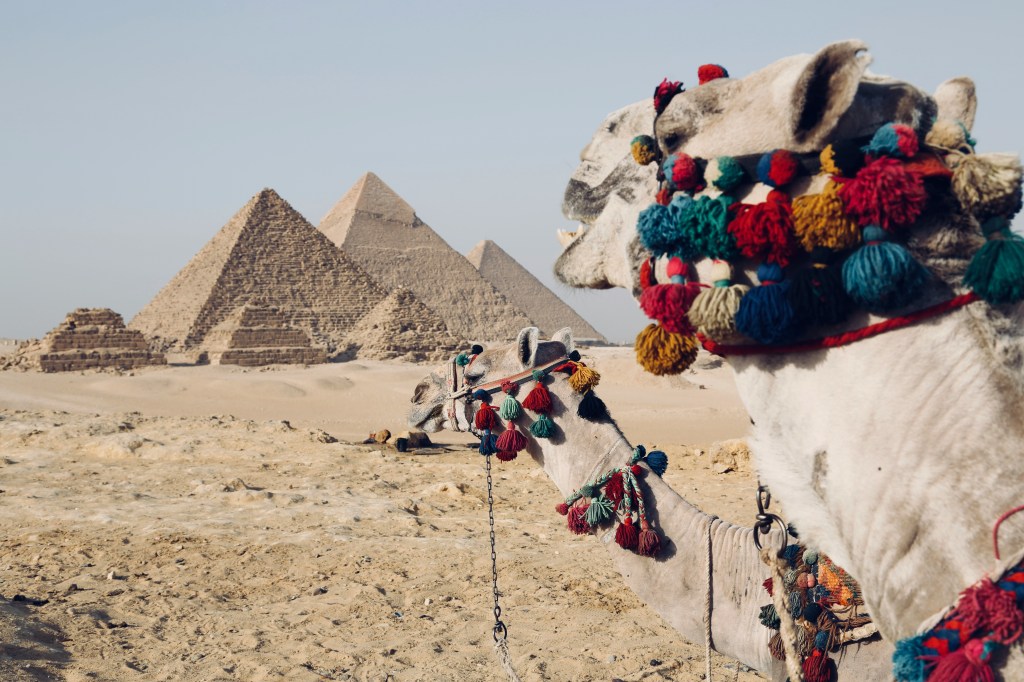
Egyptian pyramids. Photo by Fynn Schmidt from UnsplashStep pyramid, Mexico. Photo by Raquel Moss from Unsplash
Morning!
Birds singing…
Phone ringing!
Open your eyes.
to today’s surprise,
a gorgeous sunrise!
Don shoes and pants.
Step around fire ants!
Feed birds, water plants.
Bye, birds! Parting glance.
Taking a shower, getting dressed…
Phone ringing… don’t get stressed!
Hucksters calling; I’m not impressed.
Morning walk… escaping these pests!
Cloudless sky, sunshine… mind rests.
Sitting down to eat breakfast, stress-free,
anticipating world news updates on TV…
Politicians debating… can’t seem to agree.
Storms, fires, wars, crimes… Goodness me!
Ads played loudly, repeat, repeat endlessly…
Enough! Time for a wildlife documentary!
Protest. Photo by Kayla Velasquez from UnsplashSea Turtle. Photo by Randall Ruiz from UnsplashZebras. Photo by Sutirta Budiman from UnsplashPolar Bears. Photo by Hans Jurgen-Mager from Unsplash
This is a ziggurat poem, a fun form invented by Paul Szlosek that I like to play with occasionally. His website is Paul’s Poetry Playground. Ziggurat poems are often written about humorous topics. The poem has the shape of a ziggurat, or step-pyramid. Each verse has lines with the same end rhymes.
The title is the first verse and has one word. The second verse is 2 lines of 2 words. The third verse consists of 3 lines of 3 words. The fourth verse has 4 lines of 4 words, and the fifth verse has 5 lines of 5 words.
I broke the rules by adding a sixth verse to this poem. 😎
Wishing everyone a beautiful day… informed, productive, but inspired and entertained as well. 💕
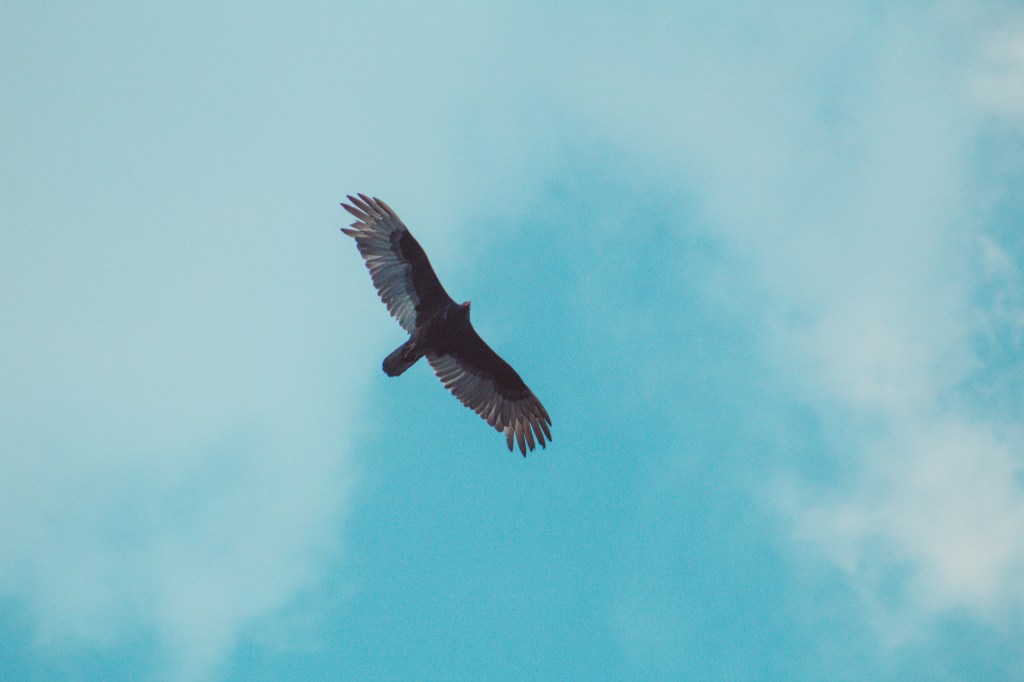
Vulture. Photo by Mark Boss from UnsplashMonarch butterfly on milkweed, a host plant on which monarchs lay their eggs. Photo by Winifred Helton Harmon from UnsplashOsprey carrying a fish. Photo by Stephen Crane from Unsplash.
Early Signs of Springon the SW Gulf Coast of Florida
Last night, on our lanai, I heard the music of crickets and tree frogs. This morning, I saw a live oak tree in bloom, its golden tassels gleaming in the warm sunshine.
Fall arrives around the New Year here, and spring begins in February. Summers are hot and rainy, with temperatures almost never above 95 degrees. From June to October is hurricane season.
Winters are mild and sunny with little rain, and our population swells with “snowbirds,” people who spend the winters here. We generally have a handful of cold days in January, but it doesn’t snow. Most years, it doesn’t freeze.
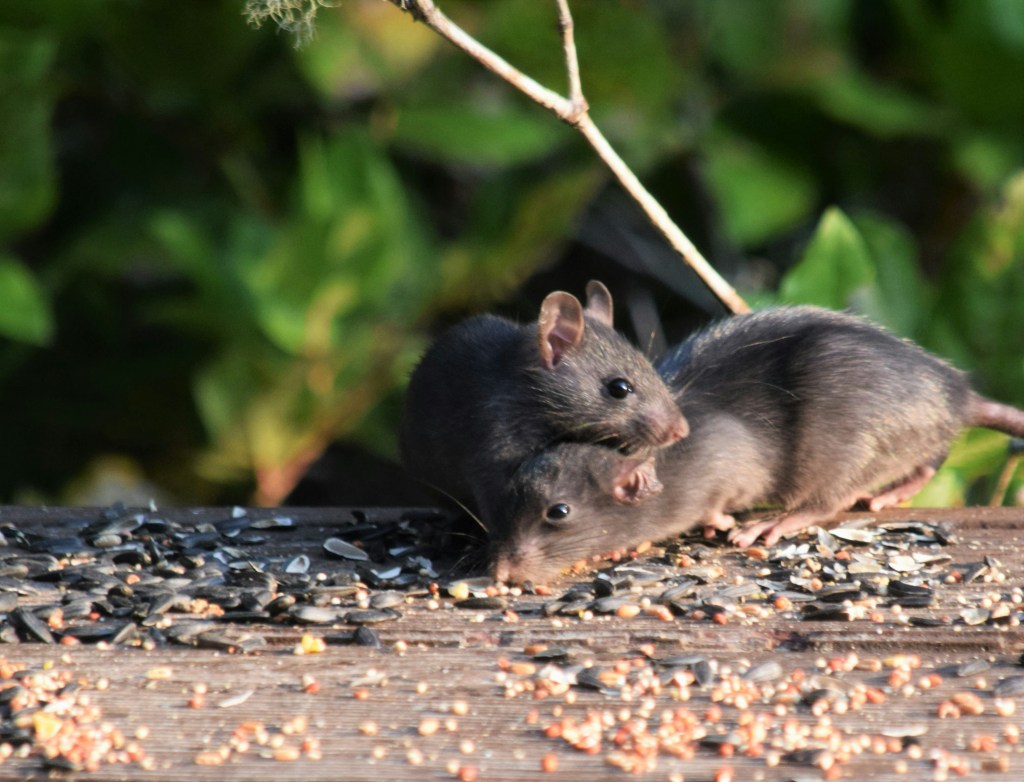
Bird feeders are outlawed in California. Signs in many places say, “Danger! Do Not Feed the Bears!” or “Unlawful to Feed Wildlife Here” or “Don’t Feed the Alligators!” There are good reasons for such warnings. Feeding some wild animals can cause them to lose their fear of people and become aggressive and dangerous. Feeding some wild animals can make them dependent on humans and less able to survive on their own.
In our neighborhood, lots are being cleared for new construction, and animal habitats are disappearing at a fairly rapid rate. Endangered gopher tortoises in our neighborhood have been displaced, losing their homes when a new house was built on the site of their ancestral burrows.
Gopher tortoise at burrow. Photo in the public domain, origin unknown
We often see gopher tortoises eating grass in our yard and believe they may have dug new burrows in the wooded lot behind our house. The underground network of gopher tortoise burrows is routinely used by a variety of animals, so the impact of losing these safe passages is not limited to the tortoises who dug the burrows.
A new house was recently built diagonally behind us. I think some of the birds and animals we are seeing at the bird feeders once made their homes on the site of the new house.
I don’t know whether I am doing the right thing putting up bird feeders. I hope it is the right thing. I rationalize that the animals are still fending for themselves from when the feeders are empty in the late afternoon until I fill them again around 7:30 in the morning.
If I am ever able to do so, I will purchase the wooded lots beside us and behind us to preserve a bit of animal habitat.
When considering whether or not to feed wild animals, I believe we must follow the laws, and then let conscience be our guide.
Thank You, Joanna, for your advice on feeding birds! They are a joy to watch!
Visit Joanna’s beautiful and informative website, naturetails.blog
💚
One More
Raccoons are mostly nocturnal, but nursing females also feed during the day in order to provide their babies adequate milk. My daughter, Katey Batavia, took these photos of Mama Raccoon eating peanuts under our bird feeder in broad daylight.
Although raccoons are delightful to watch, we don’t seek to feed raccoons; they can carry rabies and have an annoying habit of raiding garbage cans and scattering garbage. Our garbage cans are secured with bungee cords.
But how can you begrudge a hungry mama and her babies a few peanuts under the bird feeder?
























 Gulf Coast Poet