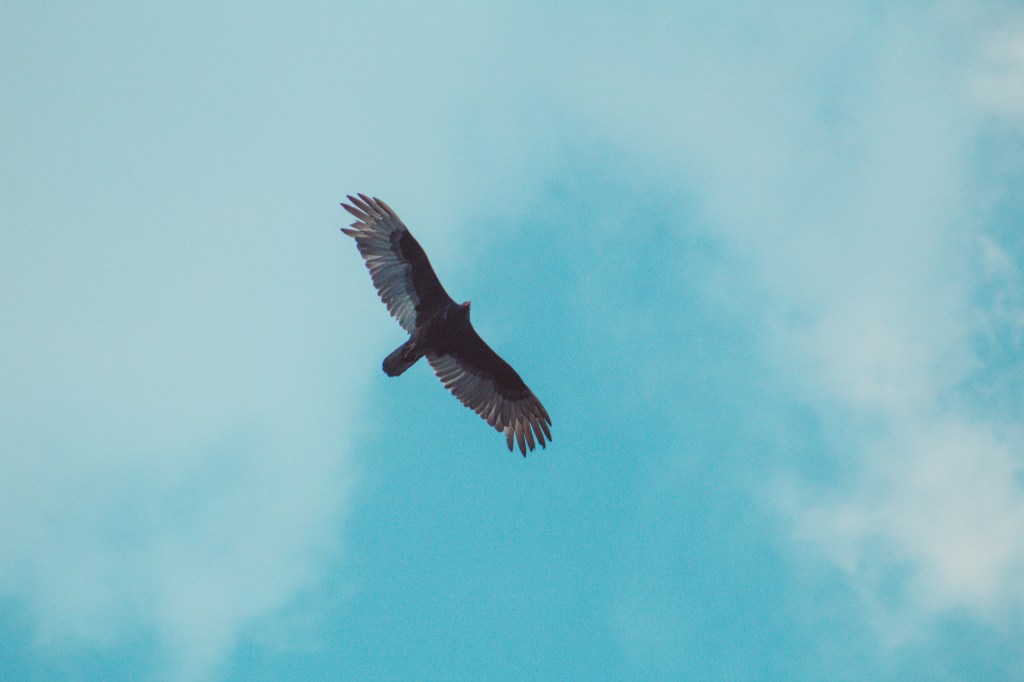
Vulture. Photo by Mark Boss from UnsplashMonarch butterfly on milkweed, a host plant on which monarchs lay their eggs. Photo by Winifred Helton Harmon from UnsplashOsprey carrying a fish. Photo by Stephen Crane from Unsplash.
A week later, our power returned, and we became aware of the devastation in nearby cities and communities. Milton was a major hurricane. Due to storm surge, high winds, and numerous tornadoes spawned by the category 3 storm, people in several states lost their homes, businesses, vehicles, and boats. Roads and other infrastructure are damaged or destroyed. More than a dozen people lost their lives.
Electrical, roofing, and general construction companies, military personnel, and relief workers from many states have come to help those who suffered losses in Hurricane Milton. There are many heroes in our region in 2024!
This poem was written shortly after Hurricane Milton, which hit Florida on October 9th. I was on break, and didn’t post it.
Robert’s sister and daughter visited for three days last week. We wanted to take them to a nearby beach, but beach restoration is still not finished. A tsunami-sized wave had washed sand up on the beach higher than the two-story restaurant where we had lunch. The bulldozers are still leveling sand, and the beach is still closed!
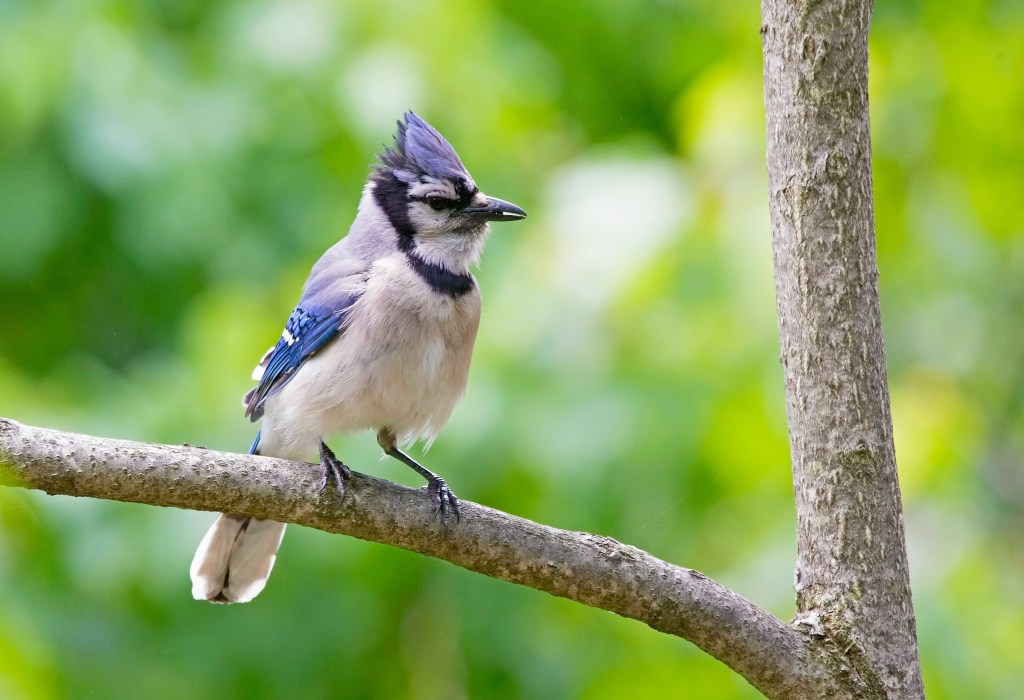
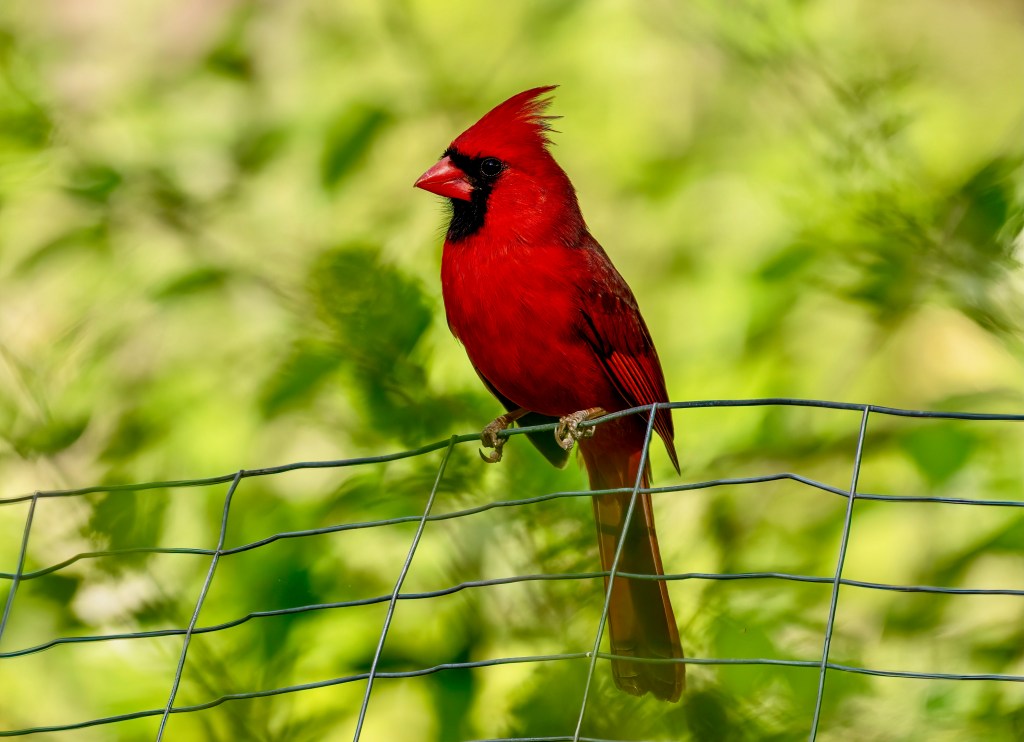
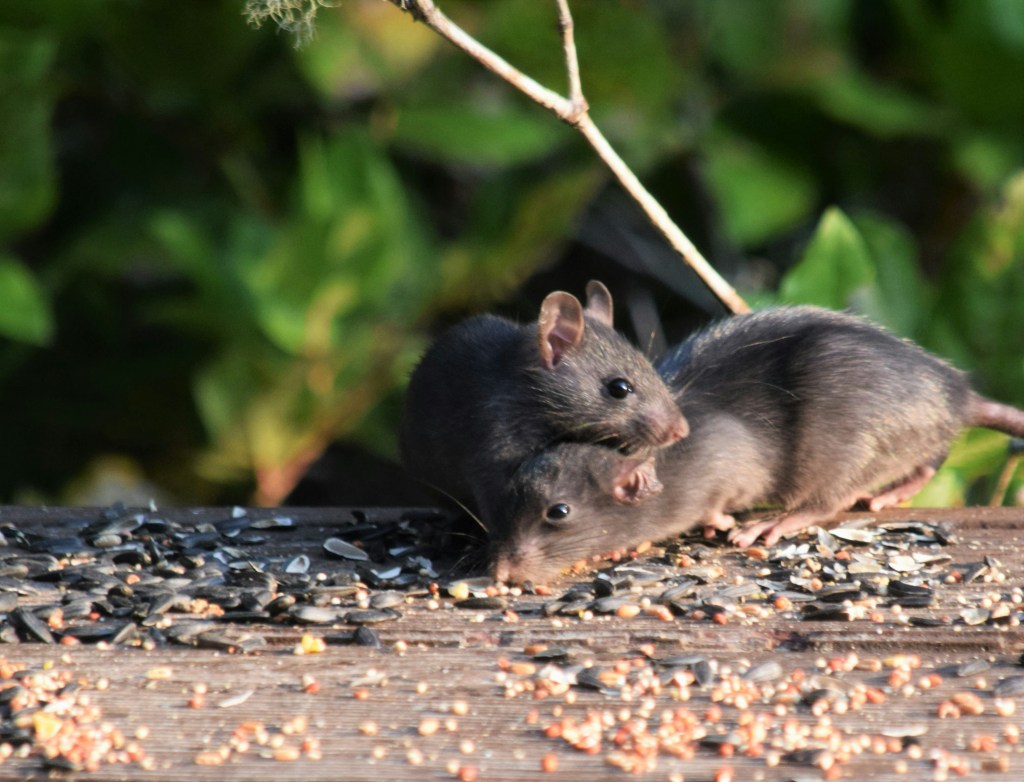
Bird feeders are outlawed in California. Signs in many places say, “Danger! Do Not Feed the Bears!” or “Unlawful to Feed Wildlife Here” or “Don’t Feed the Alligators!” There are good reasons for such warnings. Feeding some wild animals can cause them to lose their fear of people and become aggressive and dangerous. Feeding some wild animals can make them dependent on humans and less able to survive on their own.
In our neighborhood, lots are being cleared for new construction, and animal habitats are disappearing at a fairly rapid rate. Endangered gopher tortoises in our neighborhood have been displaced, losing their homes when a new house was built on the site of their ancestral burrows.
Gopher tortoise at burrow. Photo in the public domain, origin unknown
We often see gopher tortoises eating grass in our yard and believe they may have dug new burrows in the wooded lot behind our house. The underground network of gopher tortoise burrows is routinely used by a variety of animals, so the impact of losing these safe passages is not limited to the tortoises who dug the burrows.
A new house was recently built diagonally behind us. I think some of the birds and animals we are seeing at the bird feeders once made their homes on the site of the new house.
I don’t know whether I am doing the right thing putting up bird feeders. I hope it is the right thing. I rationalize that the animals are still fending for themselves from when the feeders are empty in the late afternoon until I fill them again around 7:30 in the morning.
If I am ever able to do so, I will purchase the wooded lots beside us and behind us to preserve a bit of animal habitat.
When considering whether or not to feed wild animals, I believe we must follow the laws, and then let conscience be our guide.
Thank You, Joanna, for your advice on feeding birds! They are a joy to watch!
Visit Joanna’s beautiful and informative website, naturetails.blog
💚
One More
Raccoons are mostly nocturnal, but nursing females also feed during the day in order to provide their babies adequate milk. My daughter, Katey Batavia, took these photos of Mama Raccoon eating peanuts under our bird feeder in broad daylight.
Although raccoons are delightful to watch, we don’t seek to feed raccoons; they can carry rabies and have an annoying habit of raiding garbage cans and scattering garbage. Our garbage cans are secured with bungee cords.
But how can you begrudge a hungry mama and her babies a few peanuts under the bird feeder?
When my daughters visited from Texas recently, one of our excursions was to Zoo Tampa, rated the number five Zoo in the US. We participated in a “Feed the Rhino” experience and learned about how Zoo Tampa’s breeding program is helping to prevent extinction of the Indian Rhino. The “Feed the Rhino” animal encounter and photo purchases also raise money to support this program. Katey Batavia, Ellen Maher, and Cheryl Batavia.
Cheryl feeding collard greens to a young Indian Rhino. Notice the prehensile lips and short horn that distinguish Indian rhinos from African rhinos.
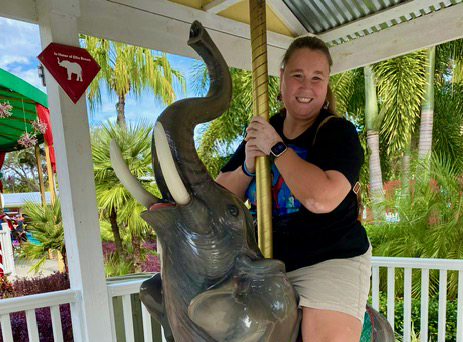
We enjoyed a ride on the old-fashioned carousel. Katey posed on a carousel animal.
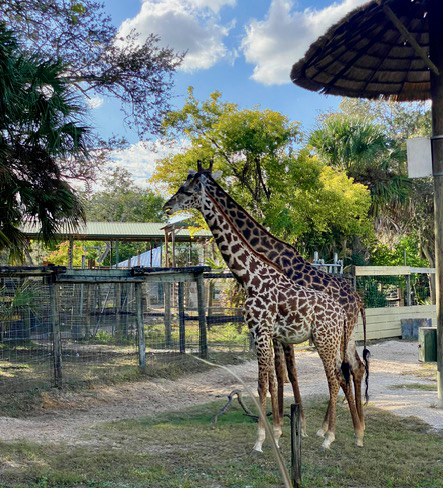
On “safari” through the African animal enclousure, we relaxed on a tram riding past elephants, giraffes, storks, and painted dogs.
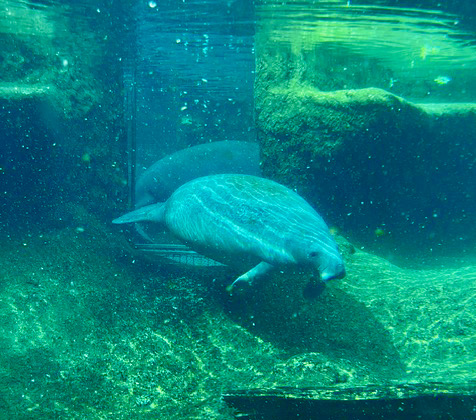
West Indian Manatee entering the viewing area. We also saw a beautiful manatee mother and calf in the aquarium/reptile exhibit. Zoo Tampa has a manatee rescue program for manatees injured by boat propellors. In spite of boating laws to protect them, some accidents still occur.
American flamingos wowed us in the Florida native animal area. They now live in the wild in Everglades National Park after a hundred-year absence from Florida in the wild. They unexpectedly reappeared about twenty years ago. There is speculation that they came from South America. Photo by Karolina Bobeck from Unsplash.
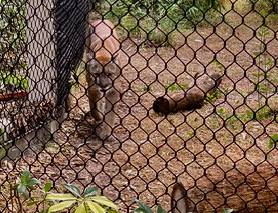
Endangered Florida panthers are featured in the Florida exhibit. Florida panthers are being bred in captivity and are rarely seen in the wild. Bobcats, also featured in the exhibit, have adapted to living near people and are a common sight in suburban Florida neighborhoods.
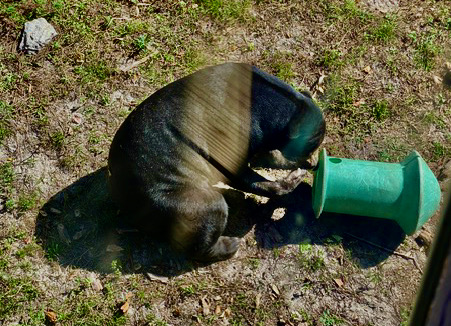
A sun bear was a delight to watch as he played with a toy that dispensed a snack.
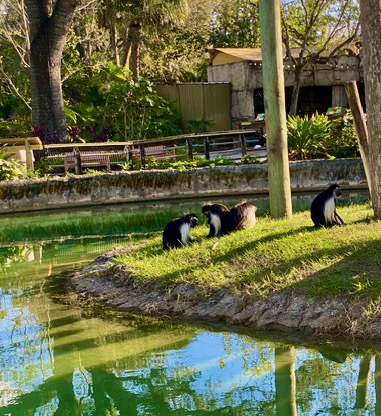
Afternoon meeting on the primate island.
Ellen and Katey. Photo by Cheryl.
Heading home from Tampa. Sunset from the St. Petersburg Skyway Bridge. Photo by Katey Batavia.
We had a great time at Zoo Tampa! Rhino photos by zoo photographer, other uncredited photos by Ellen and Katey.
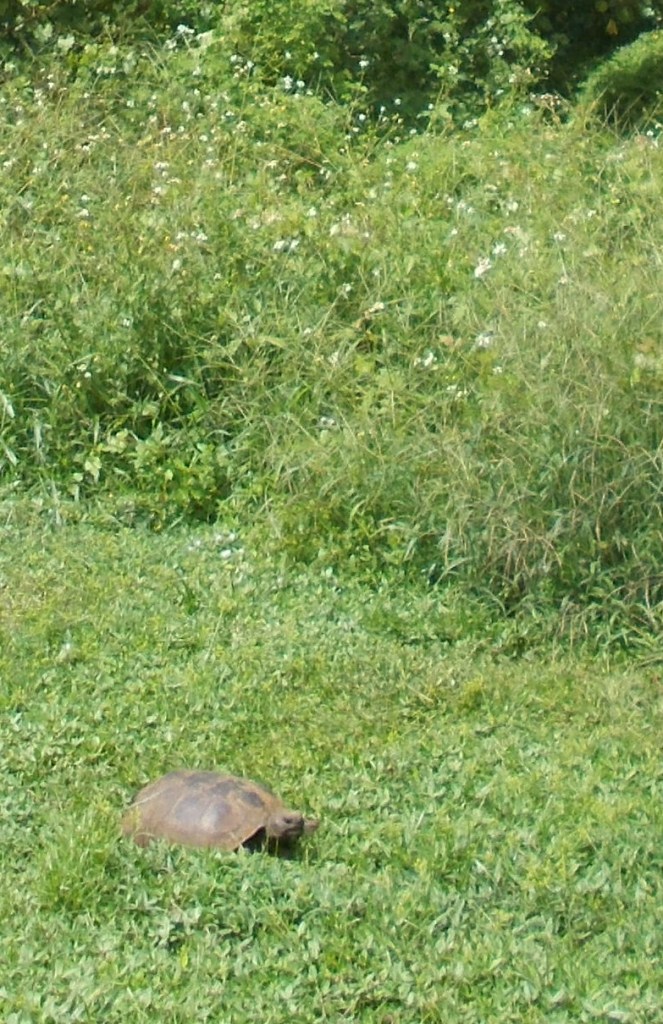
What a delightful visitor! All the rain has made it difficult for landscapers to keep up with mowing. This gopher tortoise noticed and paid us a visit. Robert found the tortoise grazing on our weedy, overgrown lawn next to the woods.
Gopher tortoises build extensive networks of underground burrows which they use for many generations. Other small animals also use these burrows. Many houses are being built in our largely wooded neighborhood, and the habitat of these endangered tortoises is rapidly disappearing.
Gopher Tortoises Displaced is my first garland shardoma.
A big thank you to David, who blogs at The Skeptics Kaddish, for talking me into writing a poem in this form. It was great fun writing this, David! ❤
A garland shardoma has seven verses. Each verse has a syllable count of 3/5/3/3/7/5 and is unrhymed. The seventh verse is composed of lines taken from the other verses.
Animals in many places are responding to climate change by changing their behaviors. Warming seawater has resulted in a decrease in the number of krill, a tiny shrimp that is the primary food of humpback whales.
One group of whales have adapted by finding a new food source, salmon fry from a hatchery in British Columbia whose mission is to replenish the dwindling salmon population. One whale changed his diet from krill to salmon fry. He feasted when the salmon fry were released from their net enclosures.
Humans then started transporting the fry a mile away to release them. The whale followed the boat and adapted by learning to fish in the shallow water. Then he recruited a team of his buddies to fish in teams as dolphins do. I guess the hatchery will have to produce a much larger crop of salmon fry to feed the hungry humpback whales and still have enough salmon for human fishermen!
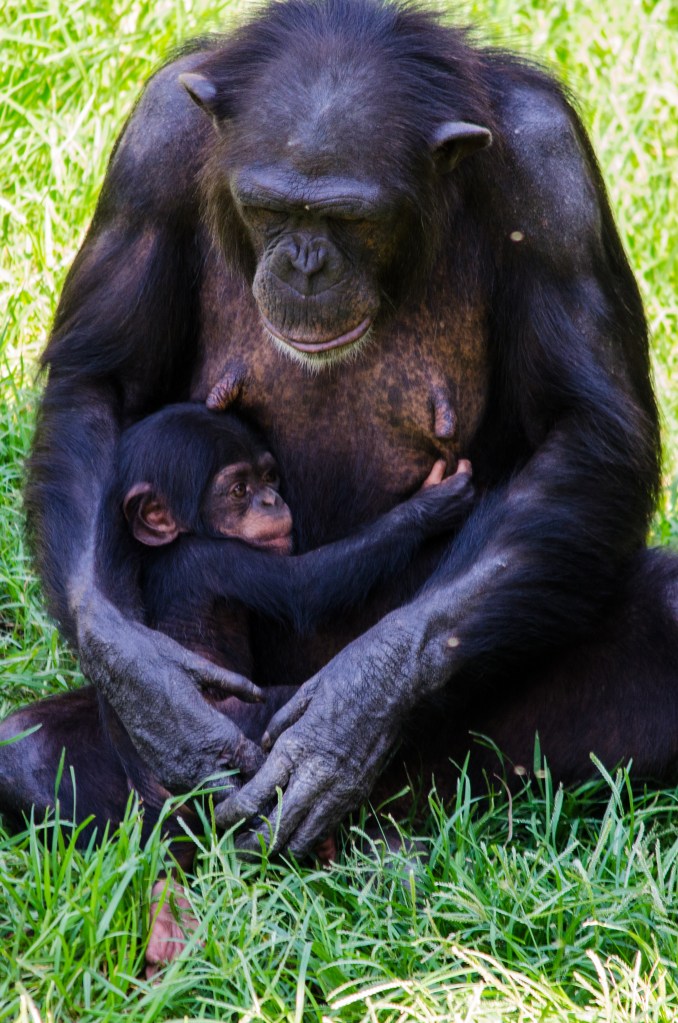
A group of forest chimpanzees migrated to the savannah of Senegal. The climate was hotter, there were fewer trees, and sources of food were far apart. The chimps responded to the heat by growing less body hair. They established larger territories. Because there were fewer trees, chimps spent more time walking upright than their forest relatives, who usually travel by swinging through the treetops.
Because there was less fruit to serve as a source of water, they had to find fresh water sources. To purify mucky water, they learned to dig holes in sandy riverbanks. When the water filtered through the sand, the holes were filled with clean water for the chimps to drink.
As a source of protein, the savannah chimps use twigs to fish for termites, spending much more time in this activity than forest chimps do. In the middle of the day, when weather is hot, these chimps seek shelter in caves, as early humans once did.
As the climate warms, the savannah will become many degrees hotter. Water sources will dry up. Life will become even more difficult for the savannah chimps. Will they be able to survive?
Marine Iguanas, famously studied by Charles Darwin, live in the Galapagos Islands, a harsh environment. To survive hot weather, they shrink their bodies. In cooler periods, they regrow to their usual size. Too long in cold water, iguanas face hypothermia, which can be fatal. Can marine Iguanas survive global warming?
For more information, watch the PBS video on YouTube, “Earth is Changing (and Animals are Adapting in Surprising Ways.)” Evolution Earth
My thanks to da-AL for inviting me as her guest on “Happiness Between Tails.” I hope you enjoy her informative and engaging post and my new poem, “Carbon Farming & Climate Change.” Check out the fascinating video about how carbon farming can restore worn-out soil, produce healthy food, reduce carbon dioxide in the air and water pollution from run-off, and combat global warming.




















 Gulf Coast Poet