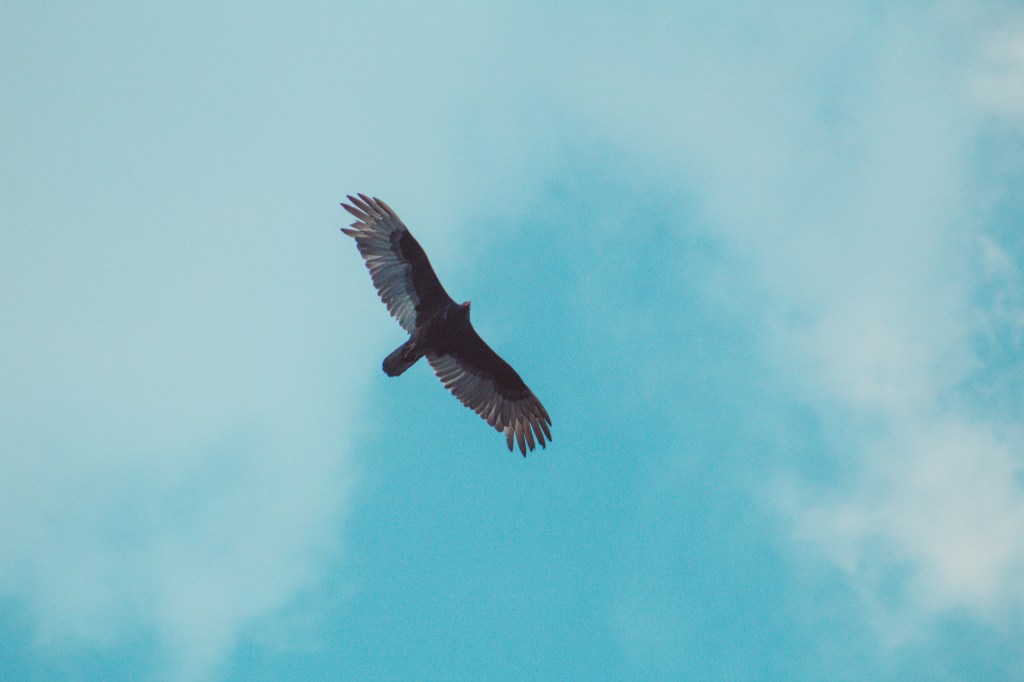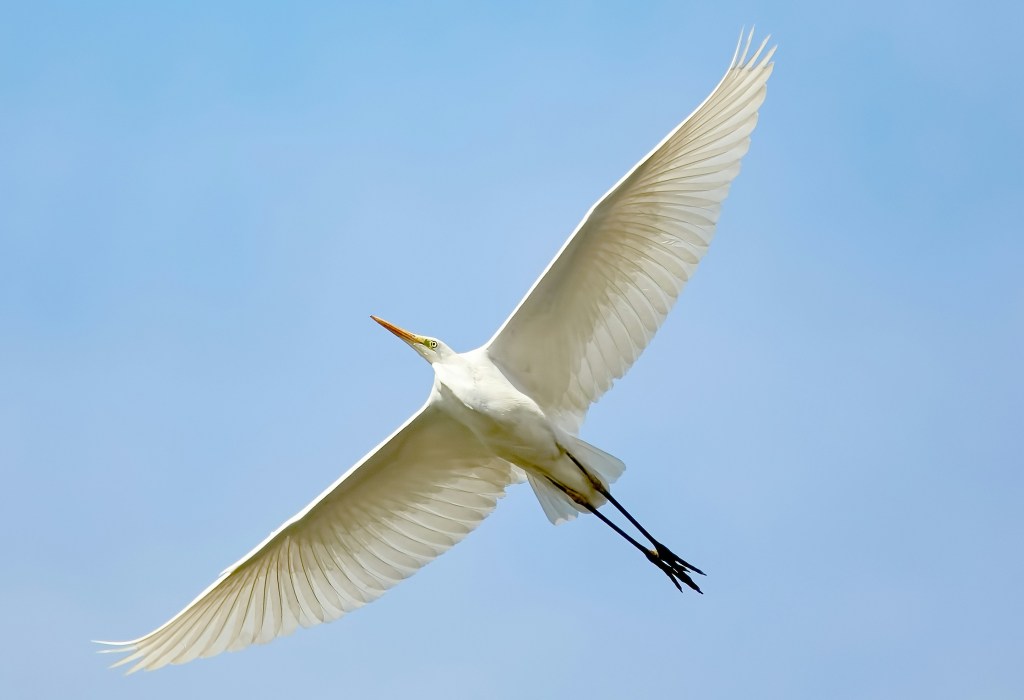
Vulture. Photo by Mark Boss from UnsplashMonarch butterfly on milkweed, a host plant on which monarchs lay their eggs. Photo by Winifred Helton Harmon from UnsplashOsprey carrying a fish. Photo by Stephen Crane from Unsplash.
A week later, our power returned, and we became aware of the devastation in nearby cities and communities. Milton was a major hurricane. Due to storm surge, high winds, and numerous tornadoes spawned by the category 3 storm, people in several states lost their homes, businesses, vehicles, and boats. Roads and other infrastructure are damaged or destroyed. More than a dozen people lost their lives.
Electrical, roofing, and general construction companies, military personnel, and relief workers from many states have come to help those who suffered losses in Hurricane Milton. There are many heroes in our region in 2024!
This poem was written shortly after Hurricane Milton, which hit Florida on October 9th. I was on break, and didn’t post it.
Robert’s sister and daughter visited for three days last week. We wanted to take them to a nearby beach, but beach restoration is still not finished. A tsunami-sized wave had washed sand up on the beach higher than the two-story restaurant where we had lunch. The bulldozers are still leveling sand, and the beach is still closed!
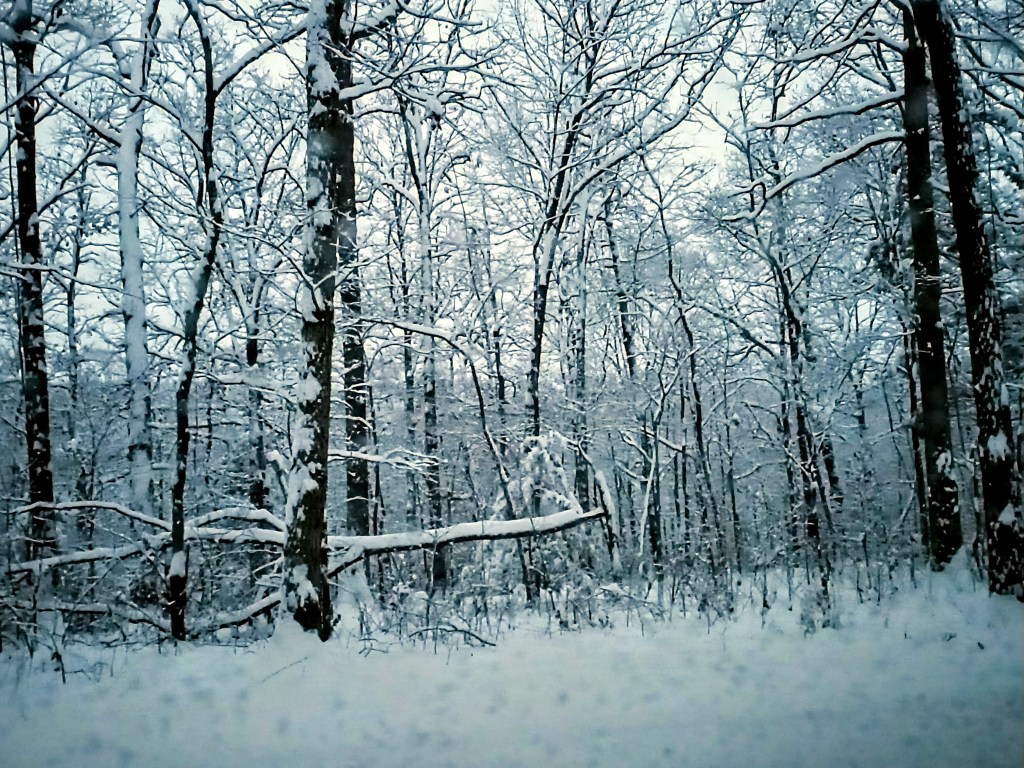
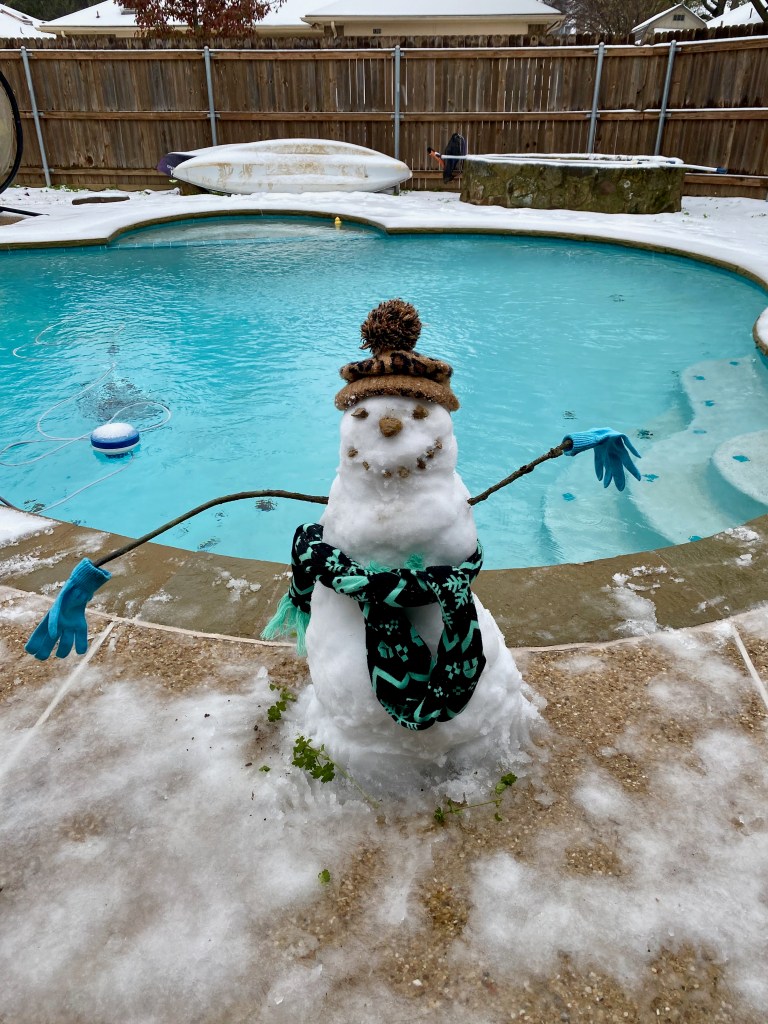
New fallen Snow in the forest. Photo used by permission of the photographer.My daughters, Katey and Ellen, and their dogs. Vibes and Rez. Photo by Katey Batavia.Here today, gone tomorrow! A cute snowman made by Ellen and Katey.
Yay, Snow! Photo of Katey Batavia by Eve Ellen Maher
Farewell to Snow!
So long, Snow! Bye-bye!
It was great while it lasted…
We had so much fun!
Let’s all play again next year…
Spring’s just around the corner!
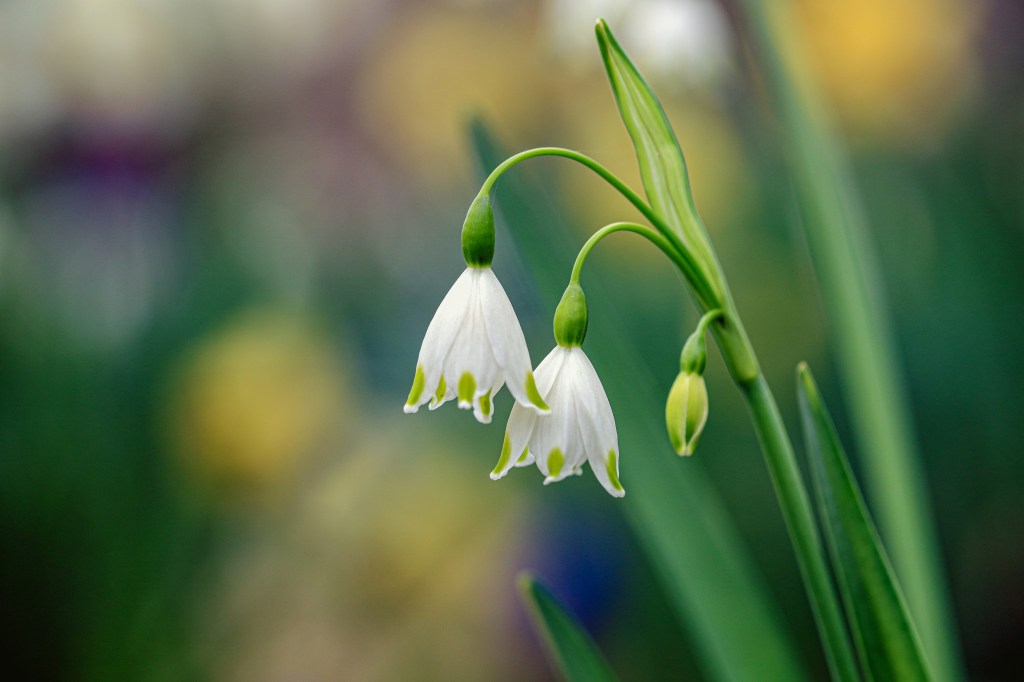
Spring Snowdrops. Photo by Dustin Humes from Unsplash
Early Signs of Springon the SW Gulf Coast of Florida
Last night, on our lanai, I heard the music of crickets and tree frogs. This morning, I saw a live oak tree in bloom, its golden tassels gleaming in the warm sunshine.
Fall arrives around the New Year here, and spring begins in February. Summers are hot and rainy, with temperatures almost never above 95 degrees. From June to October is hurricane season.
Winters are mild and sunny with little rain, and our population swells with “snowbirds,” people who spend the winters here. We generally have a handful of cold days in January, but it doesn’t snow. Most years, it doesn’t freeze.
Bird feeders are outlawed in California. Signs in many places say, “Danger! Do Not Feed the Bears!” or “Unlawful to Feed Wildlife Here” or “Don’t Feed the Alligators!” There are good reasons for such warnings. Feeding some wild animals can cause them to lose their fear of people and become aggressive and dangerous. Feeding some wild animals can make them dependent on humans and less able to survive on their own.
In our neighborhood, lots are being cleared for new construction, and animal habitats are disappearing at a fairly rapid rate. Endangered gopher tortoises in our neighborhood have been displaced, losing their homes when a new house was built on the site of their ancestral burrows.
Gopher tortoise at burrow. Photo in the public domain, origin unknown
We often see gopher tortoises eating grass in our yard and believe they may have dug new burrows in the wooded lot behind our house. The underground network of gopher tortoise burrows is routinely used by a variety of animals, so the impact of losing these safe passages is not limited to the tortoises who dug the burrows.
A new house was recently built diagonally behind us. I think some of the birds and animals we are seeing at the bird feeders once made their homes on the site of the new house.
I don’t know whether I am doing the right thing putting up bird feeders. I hope it is the right thing. I rationalize that the animals are still fending for themselves from when the feeders are empty in the late afternoon until I fill them again around 7:30 in the morning.
If I am ever able to do so, I will purchase the wooded lots beside us and behind us to preserve a bit of animal habitat.
When considering whether or not to feed wild animals, I believe we must follow the laws, and then let conscience be our guide.
Thank You, Joanna, for your advice on feeding birds! They are a joy to watch!
Visit Joanna’s beautiful and informative website, naturetails.blog
💚
One More
Raccoons are mostly nocturnal, but nursing females also feed during the day in order to provide their babies adequate milk. My daughter, Katey Batavia, took these photos of Mama Raccoon eating peanuts under our bird feeder in broad daylight.
Although raccoons are delightful to watch, we don’t seek to feed raccoons; they can carry rabies and have an annoying habit of raiding garbage cans and scattering garbage. Our garbage cans are secured with bungee cords.
But how can you begrudge a hungry mama and her babies a few peanuts under the bird feeder?