A retired teacher and mother of three adult children, I live on the Gulf Coast of Florida with my soulmate, Robert. Leisure activities include discussing current events with Robert, watching movies, and playing Scrbble. Robert usually wins!
I also enjoy going to the beach and taking road trips with my daughters. One of our favorite pastimes is observing the wonderful wildlife that surrounds us.
I keep busy writing poetry, and I would be delighted if you visited my website!
Work songs are traditional songs found in many cultures that coordinate the efforts of people working together. They also provide relief from monotony and form bonds among workers.
I first became aware of work songs as a nine-year old piano student learning to play “The Volga Boatmen.” As a young adult working in a clothing factory and in a printing company, I heard other workers singing along with Loretta Lynne and Elvis Presley as they did their routine work.
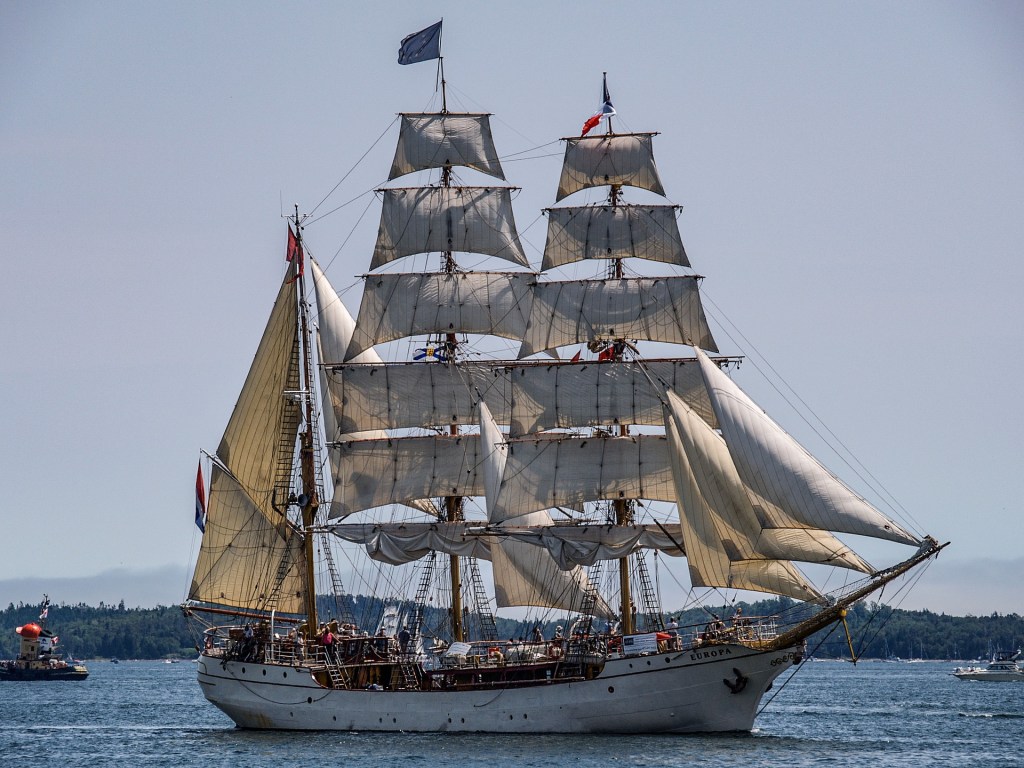
Here are some examples of work songs:
Wellerman (Sea Shanty)
Nathan Evans
Pick a Bale of Cotton
Lead Belly
The Song of the Volga Boatmen
(in English and Russian, with beautiful paintings)
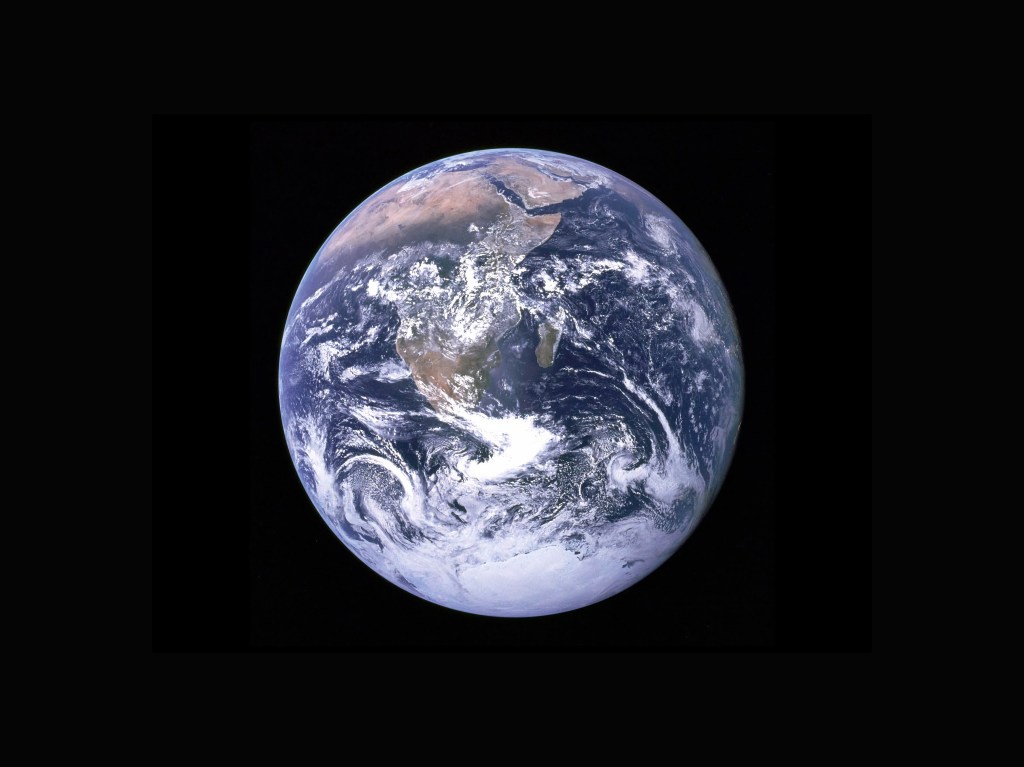
For a cautiously optimistic view of saving our planet, go to YouTube and type “Chasing Carbon Zero/PBS/NOVA/Full Documentary.” in the search bar. This worked for me. (When I tried posting the URL, there was a message that the video was unavailable.)
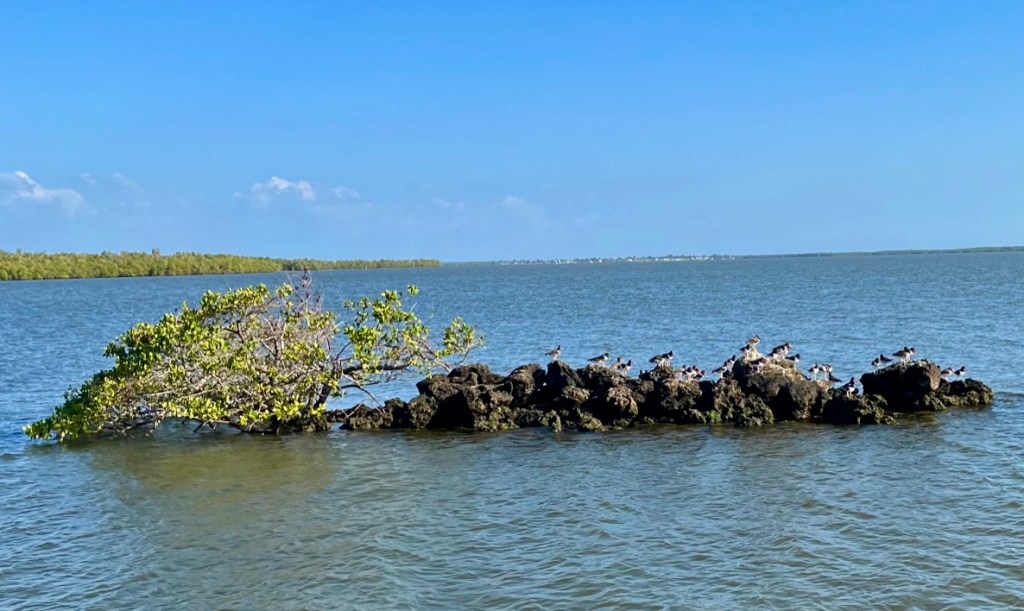
Arctic terns at Ten Thousand Islands, one of the largest mangrove forests in the world. The green shrub on the left is a mangrove, and the green in the distance is a very large mangrove island. Photo by Ellen Maher.
Birds Fishing in the Mangrove Forest
Rocky
mangrove island,
safe perch for arctic terns.
Inches above the waves, they find
refuge.
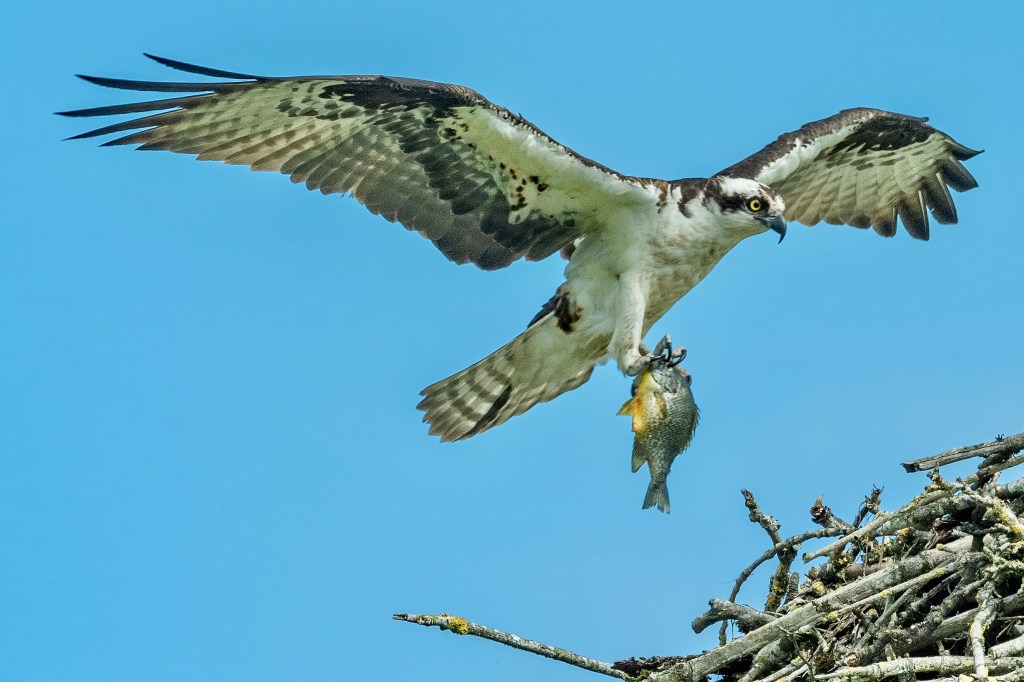
Osprey, also called a fish hawk, feeding its chicks. Photo by Richard Lee on Unsplash.
Mangroves
create islands,
green in a sea of blue.
Ospreys soar majestically in
blue skies.
Anhinga, also called a snake bird for its long neck. Photo by Mac Weaver from Unsplash.
Streamlined,
anhinga dives
to fish underwater,
spreads water-soaked wings to dry in
sunshine.
Great egret flying and two snowy egrets wading in the water. Photo by William Foley from Unsplash.
Snow white
egrets stand motionless,
fishing in the shallows,
alert, their long, sharp beaks poised to
spearfish!
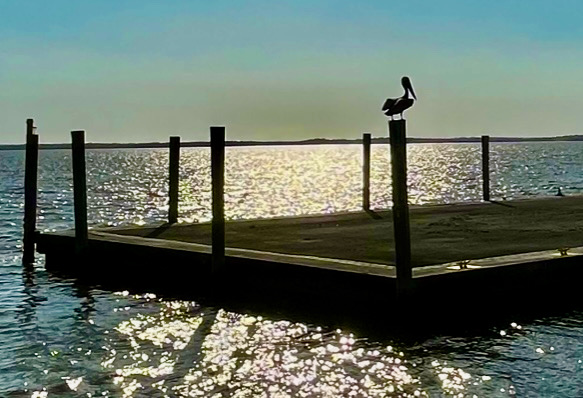
Pelican in Everglades National Park near Ten Thousand Islands. Photo by Ellen Maher.
Sunset,
pelican flies
at Ten Thousand Islands.
Seeking a little bedtime snack,
he dives!
Pelican flying near Ten Thousand Islands at Everglades National Park. Photo by Ellen Maher.
Please Note: This post was written from my own experiences in Florida. I learned about environmental topics from news and documentaries, and I did some basic research while writing poems about Florida animals. I am not a scientist, just a retired elementary school teacher who cares about the environment.
It’s a big world! Please feel free to provide additional information from your experiences and perspective in the comments. Thank you. 🙂

















 Gulf Coast Poet